A packaging line stops when a steel support bracket cracks beneath a conveyor. Maintenance isolates the machine, but removing the entire assembly for repair could mean disconnecting adjacent equipment and arranging transport. Every additional step extends the interruption.
At another facility, a damaged guard support is discovered during a scheduled shutdown. The maintenance team already has access to the area, making it possible to assess the repair before production resumes. The two situations have different urgency, but both raise the same question: can the metalwork be completed safely where the equipment is installed?
Industrial Mobile Welding can help facilities avoid unnecessary handling, coordinate repairs with existing shutdowns, and restore suitable components more efficiently. It does not eliminate inspection, safety controls, or the need to replace parts that cannot be repaired reliably.
Why Does Welding-Related Damage Cause Extended Downtime?
A failed welded connection rarely affects only one component. A damaged bracket can misalign a conveyor, loosen a guard, or prevent equipment from operating safely. Maintenance personnel may need to isolate the machine, investigate the failure, order materials, and arrange access before repairs begin.
Downtime can increase when a component must be removed and transported. Disassembly may involve electrical connections, hydraulic lines, lifting equipment, and reassembly checks. In some facilities, the surrounding production line must remain stopped throughout those activities.
The priority is not simply to weld the crack quickly. It is to identify the cause, choose a suitable repair, and avoid a repeat failure after restart.
Where Can On-Site Industrial Welding Save Time?
Installed Brackets and Equipment Supports
A stationary machine may have a cracked mounting bracket that is accessible after shutdown. If the surrounding metal is sound and the repair is approved, on-site industrial welding may avoid removing the entire assembly. Maintenance must still check whether vibration, misalignment, or overload caused the crack.
Conveyors and Material-Handling Systems
A bent or fractured steel attachment can interrupt product movement. Field welding may support replacement of a suitable attachment or restoration of an approved connection. Conveyor drives, stored energy, and moving parts must be isolated before work begins.
Guards, Barriers, and Facility Fixtures
Damaged guards and barriers can create safety hazards even when the production machine still functions. Repairing an installed fixture may be practical, but its original protective function must be restored before it is returned to use.
When Should a Component Go to a Shop?
A workshop may be preferable for complex fabrication, restricted weld access, precise machining, or a component that must be repositioned to complete the joint. Mobile welding is one option within industrial machinery repair, not a substitute for every specialized process.
How Do Maintenance Teams Coordinate Field Welding Repairs?
The most effective repairs start with a clear handoff between operations, maintenance, and the welding contractor. A brief description such as “broken bracket” may not explain the material, loads, or worksite hazards.
- Confirm the operational impact. Identify the affected machine, its function, and whether nearby equipment must also stop.
- Document the damage. Photograph the component and surrounding assembly, noting deformation, corrosion, and earlier repairs.
- Verify repair feasibility. Check manufacturer instructions, material information, and whether engineering review or an approved welding procedure is needed.
- Prepare the shutdown. Coordinate access, permits, isolation, ventilation, and fire protection before the welder arrives.
- Inspect and restart. Complete required weld inspection, reassemble equipment, remove isolation under authorized procedures, and verify normal operation.
Helpful Note: A planned shutdown can reduce scheduling conflicts, but welding should never begin simply because production has stopped. The equipment and work area must first be made safe.
What Safety Requirements Affect Repair Scheduling?
Industrial sites may contain combustible packaging, flammable residues, moving machinery, and electrical or hydraulic energy. Welding introduces sparks, heat, fumes, and electrical hazards, so worksite preparation can take longer than the weld itself.
Lockout/tagout (LOTO) procedures help control hazardous energy during maintenance. The facility’s authorized personnel must follow applicable isolation and verification requirements. Hot-work controls may include removing or shielding combustibles, ventilation, protective screens, and fire-watch arrangements when required.
A Welding Procedure Specification (WPS) may be necessary for particular equipment or structural applications. Qualified inspection may also be required before operation resumes. These controls protect people and equipment and should be included in the repair schedule rather than treated as unexpected delays.
Can Preventive Maintenance Reduce Future Welding Repairs?
Corrective maintenance responds to a failure. Preventive maintenance seeks to identify deterioration before it interrupts production. Both can involve industrial welding maintenance, but preventive work offers more flexibility for planning.
For example, a maintenance inspection might find early cracking around a repeatedly loaded bracket. Rather than welding over the indication immediately, the team can investigate vibration, alignment, and load changes, then determine whether repair or replacement is appropriate.
Reliability-centered maintenance (RCM) considers equipment function, failure consequences, and suitable maintenance actions. For weld-related issues, useful records include the crack location, operating conditions, inspection results, repair procedure, and any recurrence.
These records help teams recognize repeat problems instead of treating each new crack as an isolated event.
How Do Transportation and Setup Affect the Total Downtime?
A repair timeline includes more than active welding time. The facility may need to stop production, isolate equipment, remove guards, prepare metal, complete the repair, inspect it, and conduct startup checks.
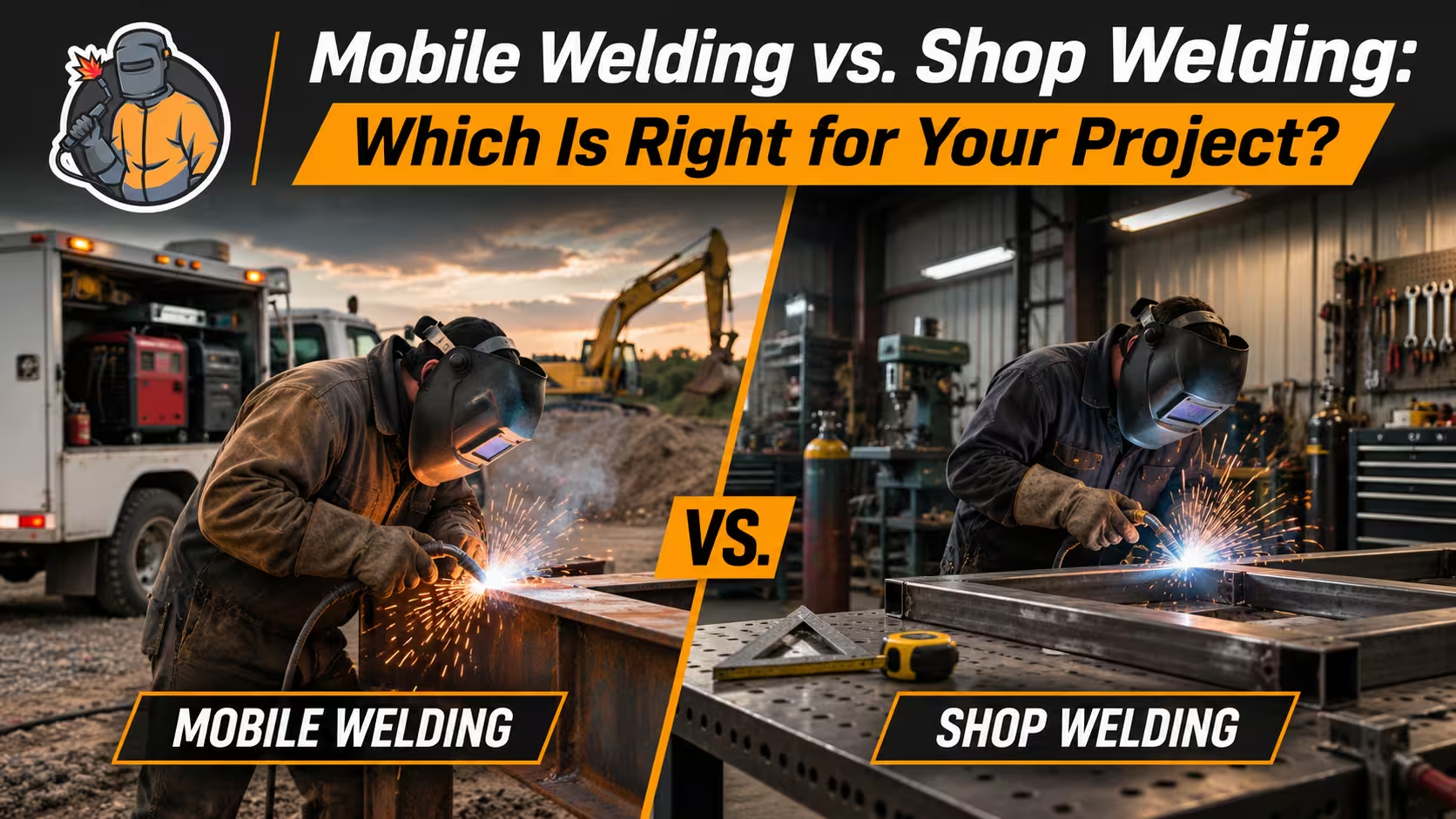
On-site repair can eliminate transport and some disassembly, but it adds field setup and coordination. A shop repair may require hauling and reinstallation, yet offer easier positioning, controlled conditions, and specialized tools.
Consider a damaged conveyor support. If it is accessible in place, a field repair could avoid disconnecting the conveyor section. If the support is severely distorted and requires precision fabrication, making a replacement in a workshop may be more dependable. A hybrid approach may involve shop fabrication followed by on-site installation.
Which Industrial Repairs Need Extra Review?
Some metal components have consequences far beyond lost production. Critical lifting points, pressure-containing equipment, load-bearing machinery frames, and components governed by specialized codes may require engineering authorization, manufacturer instructions, or certified procedures.
Do not assume a crack is repairable because welding equipment can reach it. Assess the extent of damage, identify the material, and establish acceptance criteria. If those conditions cannot be met, replacement may be necessary.
Outdoor industrial repairs in Portland, Oregon, also require attention to rain and wind. Moisture raises electrical safety concerns, and wind can interfere with shielding gas during some welding processes. Weather protection or rescheduling may be necessary.
How Can a Facility Prepare Before Calling a Welder?
A useful request for factory welding services includes the machine location, damaged component, photographs, metal type if known, and site access restrictions. Explain whether the repair is planned or follows an unexpected shutdown, and identify any manufacturer or engineering requirements.
Maintenance teams should also share relevant safety procedures and confirm who will authorize equipment isolation and restart. These details make it easier to determine whether mobile industrial welding services fit the project.
For facilities in Portland, Complete Fusion Welding LLC offers mobile welding and factory-industry welding services. Discussing the damage and site conditions early can help establish whether fieldwork, workshop fabrication, or specialist assessment is the appropriate next step.
Frequently Asked Questions
Does Mobile Welding Always Reduce Factory Downtime?
No. It can avoid transport and some disassembly, but access, safety preparation, engineering review, and inspection may still take time. The overall repair plan determines the result.
Can Welding Be Completed During a Scheduled Shutdown?
Potentially. Planned shutdowns can provide access and coordination time, provided the component is suitable for welding and required isolation, hot-work controls, and inspections are completed.
Can a Production Line Restart Immediately After Welding?
Not necessarily. The repair may require inspection, cooling, reassembly, testing, and authorization from facility personnel before operation resumes.
Is Replacement Sometimes Faster Than Repair?
Yes. A premanufactured replacement may be preferable when damage is extensive, the metal is unsuitable for repair, or specialized procedures would cause additional delays.
Make Downtime Reduction Part of the Repair Plan
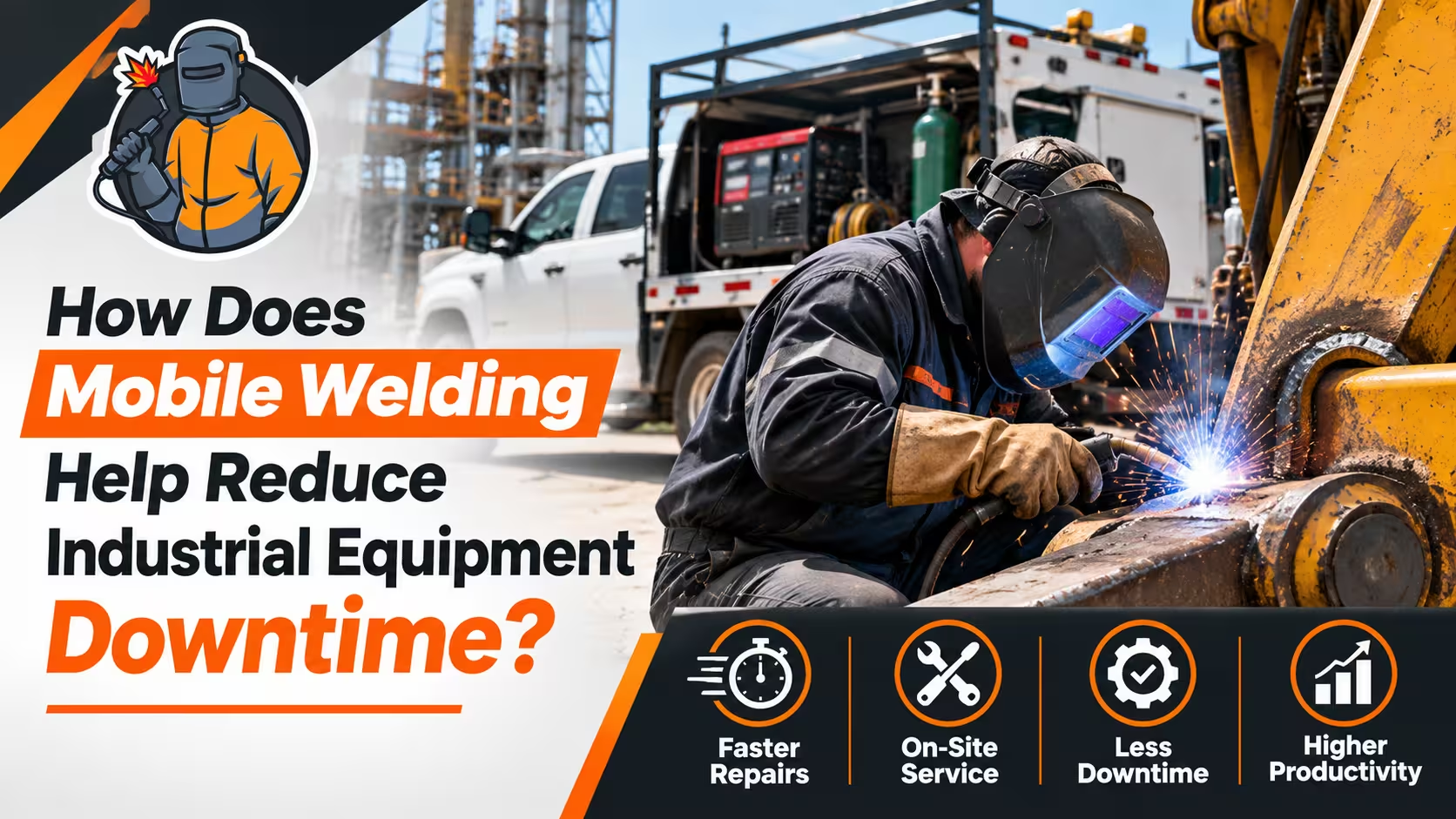
Industrial mobile welding can support faster recovery when it removes unnecessary transportation and fits safely into maintenance operations. Its value comes from planning the entire process: diagnosis, repair selection, site preparation, welding, inspection, and restart.
For Portland-area facilities, Complete Fusion Welding LLC can discuss suitable on-site welding and metal fabrication needs. Share the component details and operational constraints to determine a practical next step without compromising equipment safety.